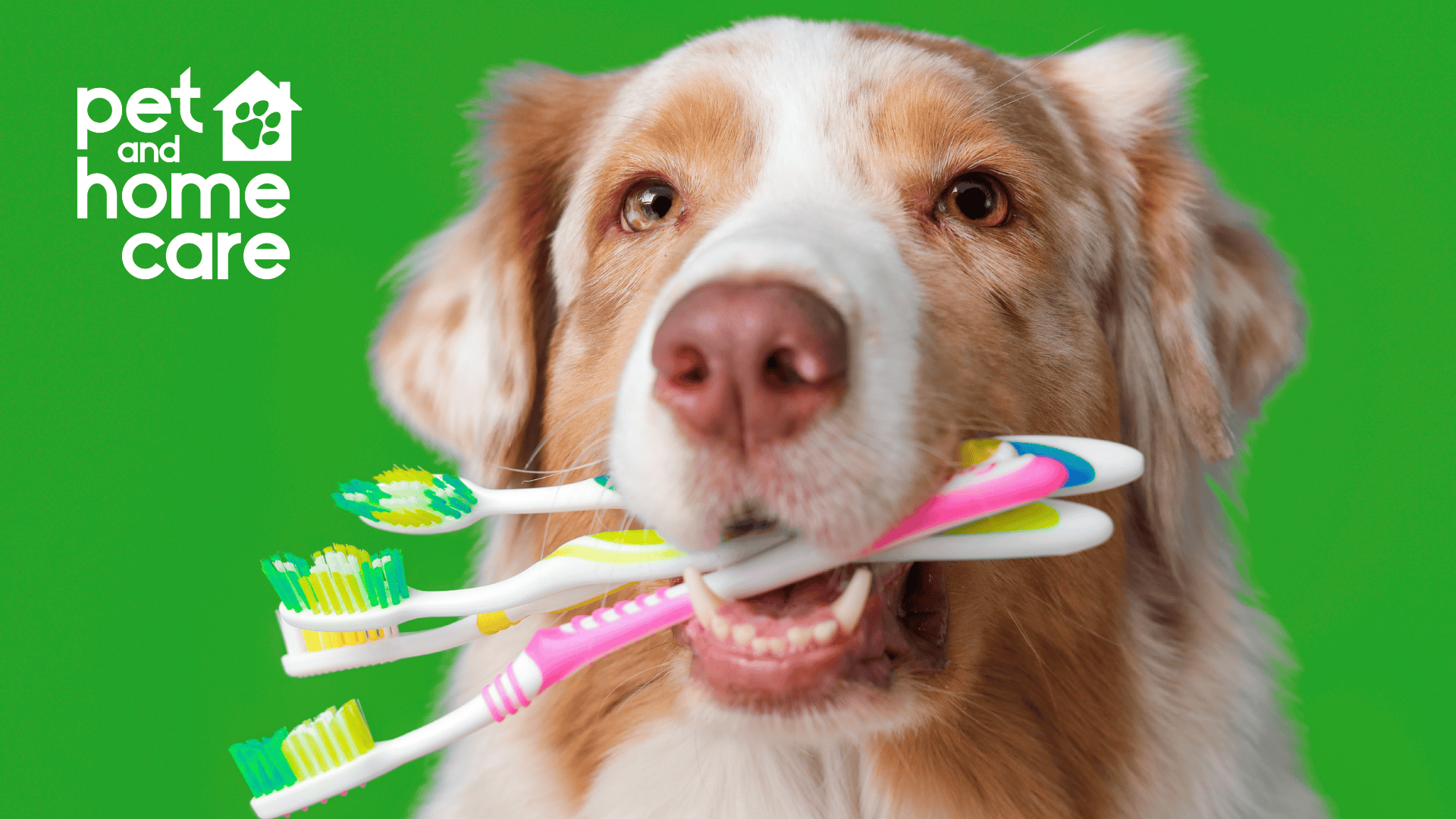
Pet dental health is one of the most important aspects of care that often goes unnoticed — not because pet parents don’t care, but because problems don’t always announce themselves loudly at first. Unlike an injury or sudden illness, dental discomfort can develop slowly, quietly affecting a pet’s comfort, behavior, and overall wellbeing long before obvious signs appear.
For many families, dental care feels intimidating or easy to postpone. Yet oral health is deeply connected to the rest of a pet’s body. Issues that begin in the mouth can influence appetite, digestion, energy levels, and even internal organ health. Responsible pet care means looking beyond what’s visible and supporting wellness through consistent routines that protect pets over time.
Why Dental Health Matters More Than You Think
A pet’s mouth is home to bacteria, just like a human’s. Without regular support, plaque and tartar can build up, leading to gum irritation and infection. Over time, this discomfort may change how a pet eats, plays, or behaves — often in subtle ways that are easy to miss.
Dental disease doesn’t exist in isolation. Bacteria from untreated oral infections can enter the bloodstream and affect major organs such as the heart, liver, and kidneys. While this progression doesn’t happen overnight, it reinforces why dental health should be considered part of long-term preventative care, not an afterthought.
The Signs Aren’t Always Obvious
One of the challenges with dental health is that pets are incredibly good at adapting. Mild discomfort may not cause dramatic symptoms right away. Instead, pet parents might notice small changes: bad breath that seems persistent, chewing more slowly, avoiding harder treats, or becoming less enthusiastic about meals.
Because these signs can appear gradually, consistent observation plays a critical role. Pets who receive regular care — whether through ongoing dog walking, grooming, daycare, or in-home visits — are often better supported simply because familiar caregivers notice when something feels “off.”
Routine Is the Foundation of Preventative Care
Dental health works best when it’s part of a larger routine. Just as consistent exercise supports mobility and behavior, consistent care supports oral health in quiet but meaningful ways.
Daily habits such as appropriate chewing, enrichment activities, and predictable schedules all contribute to reduced stress. When pets feel calm and secure, they’re more receptive to care routines, including tooth brushing or oral support products. Over time, these small habits add up.
Routine care also removes decision fatigue for pet parents. When services like dog walking, daycare, grooming, or in-home care are scheduled regularly, care becomes something you can rely on rather than something you have to constantly manage.
How Grooming and Ongoing Care Support Oral Health
Regular grooming appointments do more than maintain a pet’s coat. Groomers spend time handling pets’ faces, mouths, and overall condition. While grooming professionals don’t diagnose medical conditions, routine grooming can bring early changes to light simply through consistent observation.
Similarly, ongoing pet care services provide continuity. Familiar caregivers are more likely to notice subtle behavioral changes that might indicate discomfort. This early awareness gives pet parents the opportunity to ask questions and take action before issues escalate.
Dental Products as Support — Not a Standalone Solution
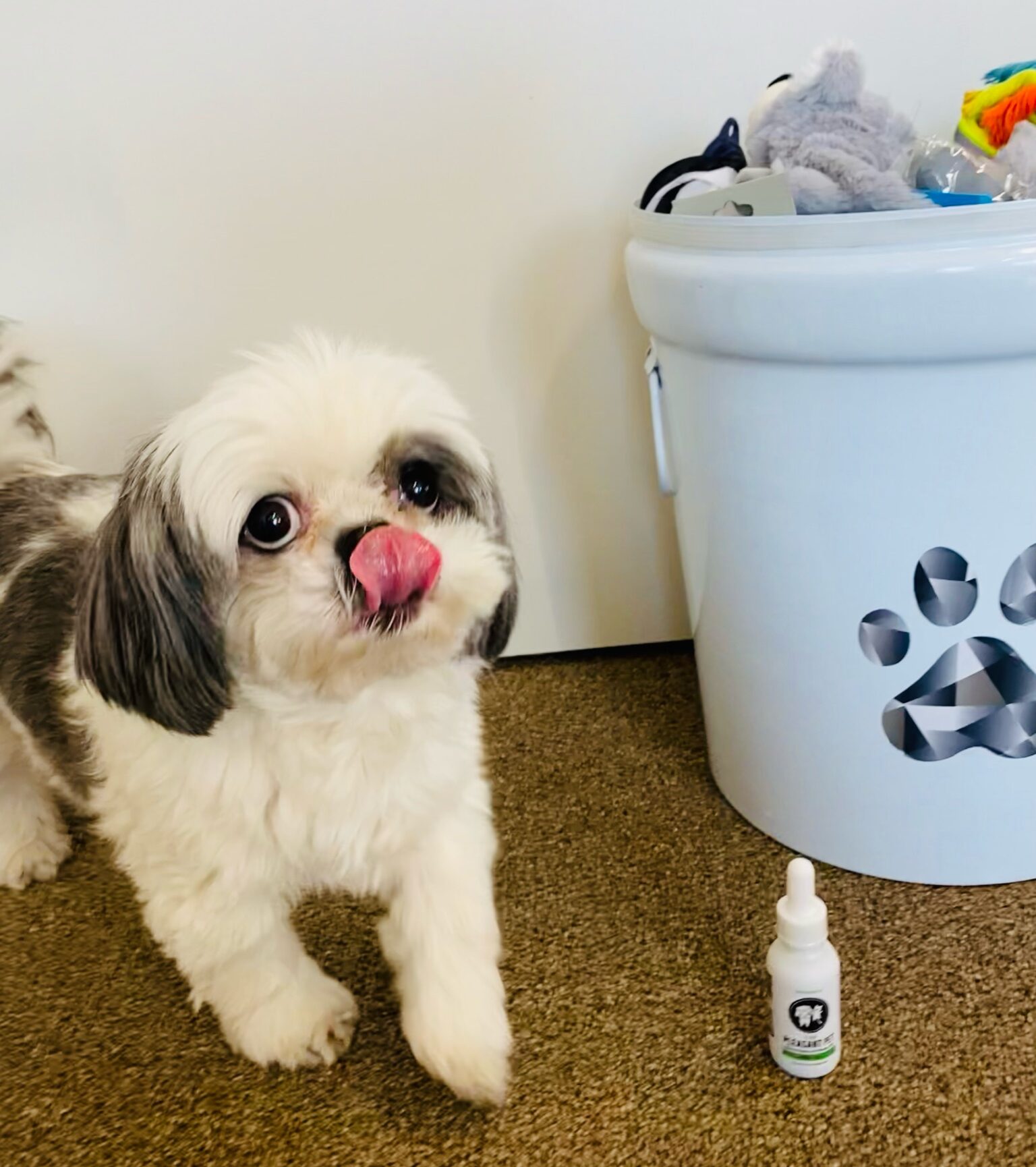
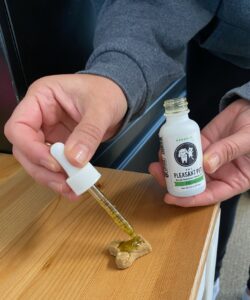
Dental chews, water additives, and oral support products can be helpful tools when chosen thoughtfully. The key is understanding that these products support routines — they don’t replace professional care or consistent habits.
Not every product is right for every pet. Size, chewing habits, sensitivities, and overall health all matter. That’s why guidance and education are important. When dental products are introduced as part of a routine rather than a quick fix, they’re far more effective.
The Role of Stress Reduction in Oral Health
Stress plays a larger role in pet health than many people realize. Pets experiencing anxiety or unpredictability may resist care routines or develop behaviors that impact overall wellbeing. Consistent schedules, familiar environments, and reliable caregivers help reduce stress, making dental care easier to maintain.
This is one reason “set it and forget it” care is so valuable. When routines are established and maintained over time, pets feel secure — and secure pets are healthier pets.
Building a Care System That Lasts
Dental health is just one piece of a much larger picture. Responsible care isn’t about focusing on one issue for a month and moving on. It’s about building a care system that supports pets consistently, season after season.
At Pet & Home Care and The Green K9, our approach is rooted in stability and trust. Whether care happens in your home or through in-store support, our goal is to help families create routines that feel manageable, realistic, and effective.
Preventative care doesn’t have to be overwhelming. When routines are steady and support is available, small habits protect pets in big ways.
Small Habits, Long-Term Impact
The most effective pet care rarely feels dramatic. It’s quiet. It’s consistent. And it’s built over time. Dental health is a perfect example of how small, thoughtful habits can support comfort and wellbeing for years to come.
By prioritizing routine, observation, and preventative support, pet parents give their pets the gift of stability — and that stability is the foundation of a healthy, happy life.
Responsible pet care isn’t about quick fixes. It’s about showing up consistently and supporting pets in the ways that matter most.